Catalogue
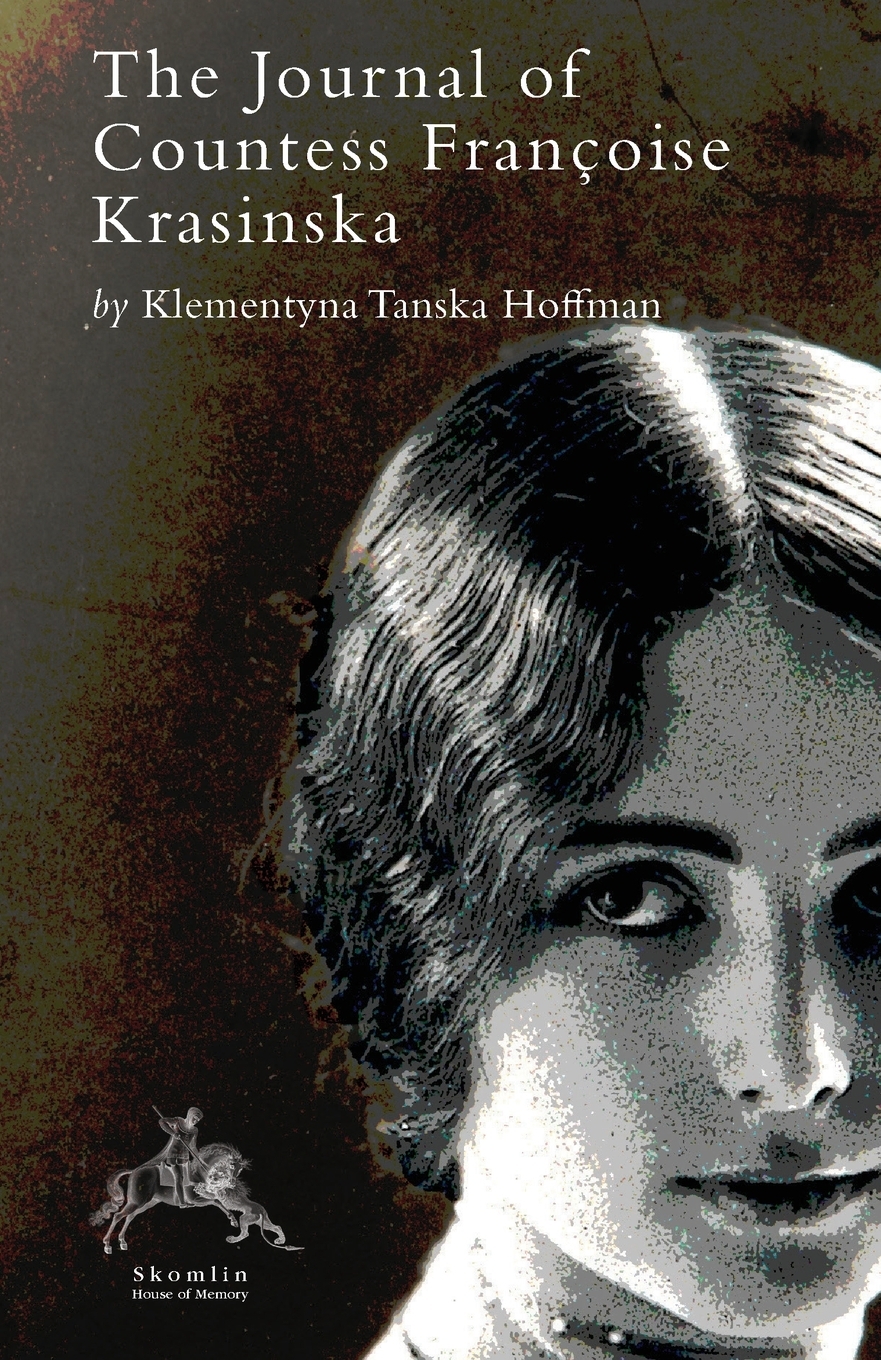
The journal of the Francoise Krasinksa begins with her as a young girl living comfortably with her parents in the court of Maleszow in southern Poland. She is happy and innocent and nurses a crush on Prince Charles pretender to the Polish throne. Beautiful and intelligent her escapades and her fate set tongues wagging in every court in Europe.
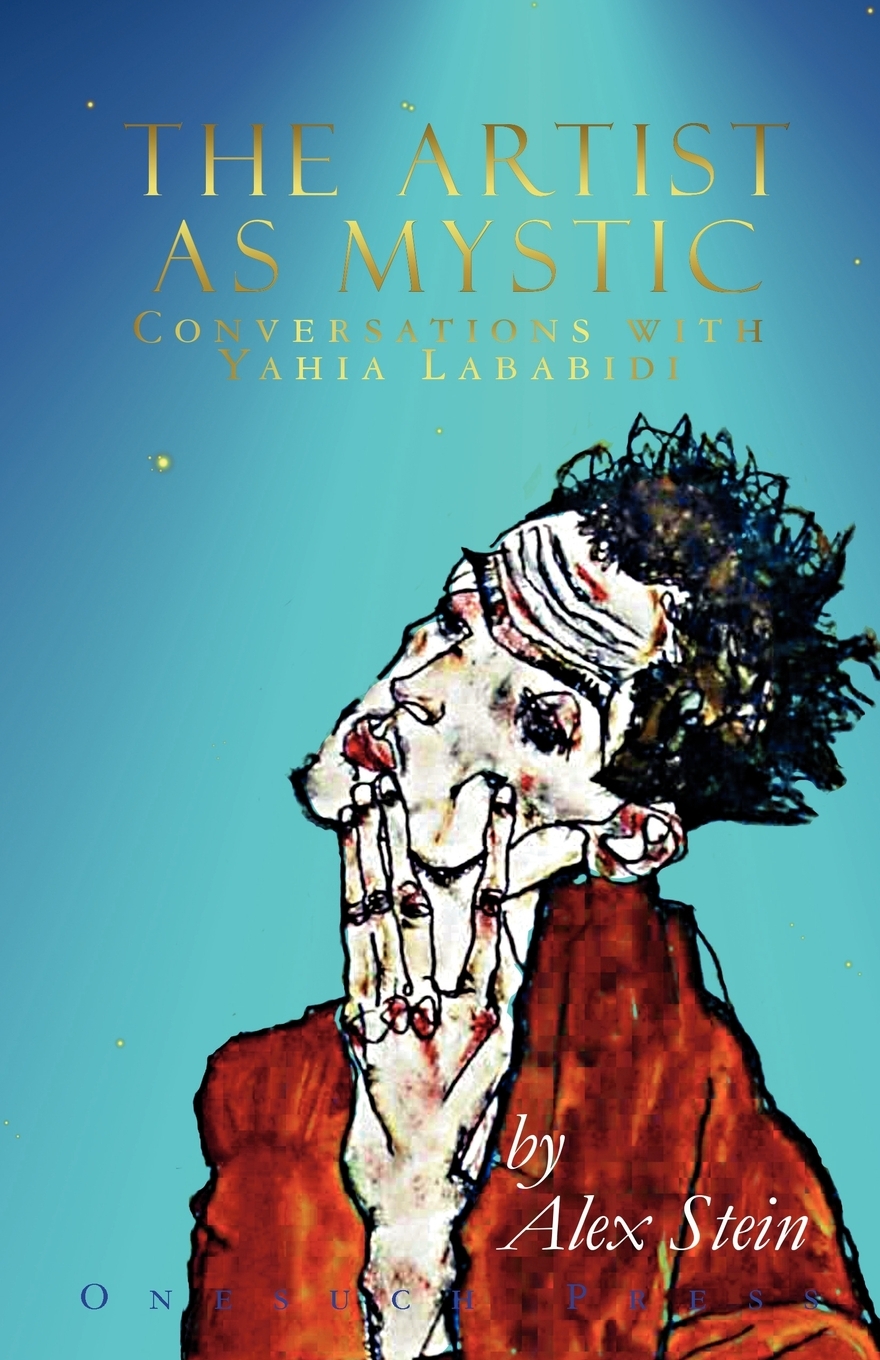
In a sequence of lyric conversations, aphorists Alex Stein and Yahia Lababidi summon the tortured, ecstatic spirits of Kafka, Baudelaire, Nietzsche, Rilke and Kierkegaard. Part biography, part criticism, part incantation, it reads like a songline through the modern soul.
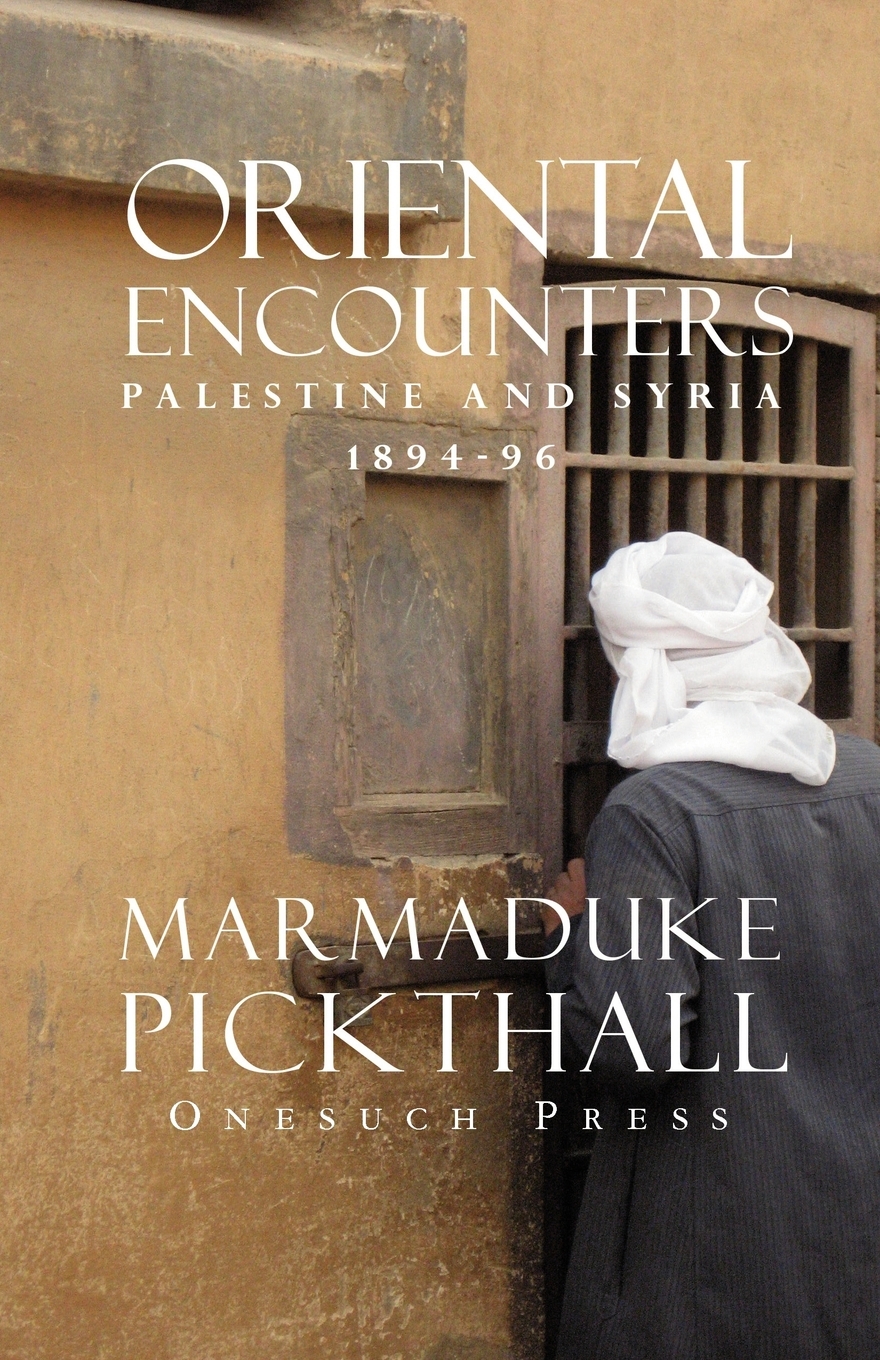
In 1896 the young Englishman Marmaduke Pickthall shed his expatriate world and wandered Palestine and Syria in native dress. His vivid, affectionate record finds a Near East freer and more joyous than anything he had known in Europe.
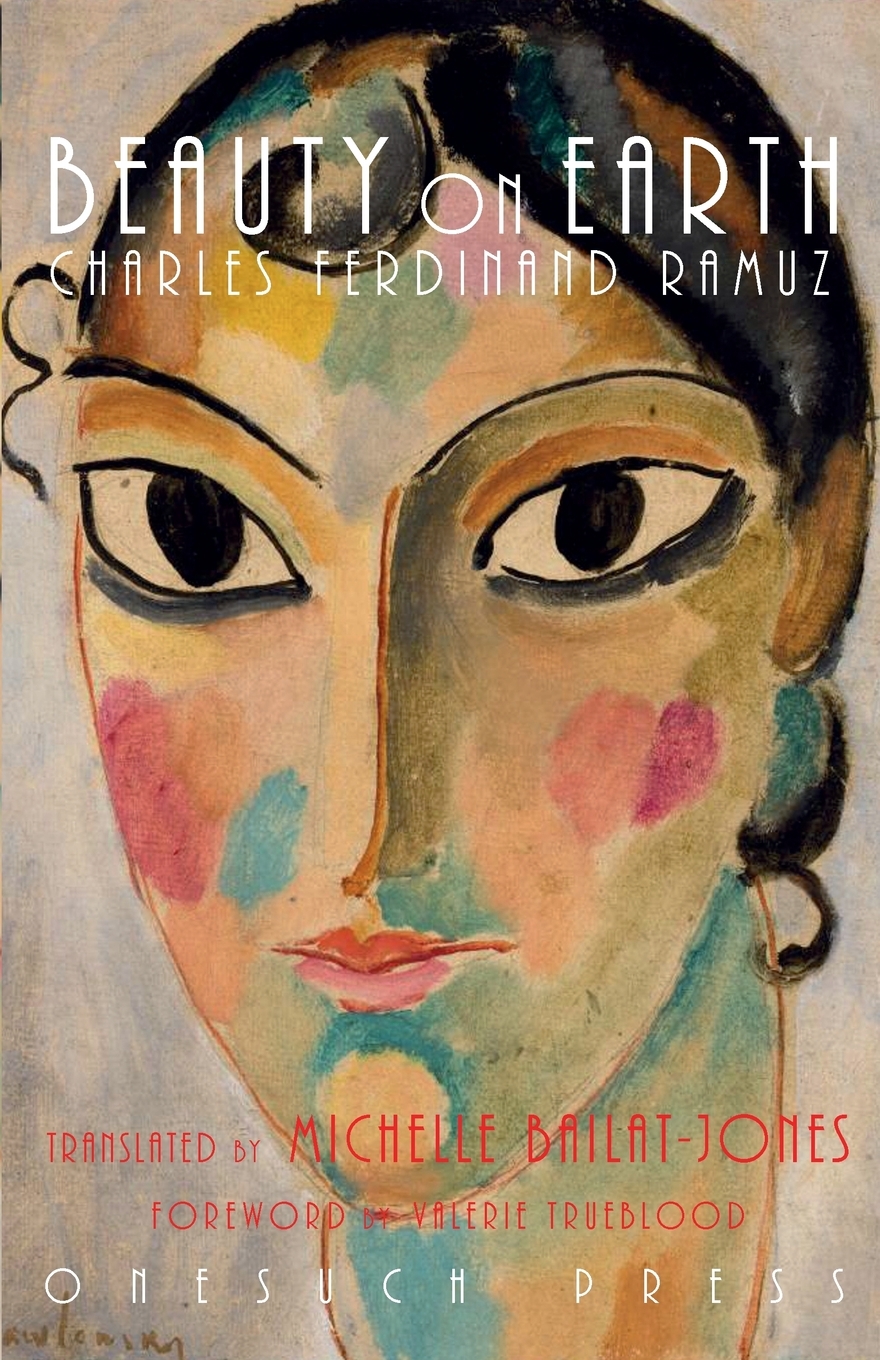
The arrival of a beautiful orphan at her uncle's lakeside inn sends a slow, dreamlike chaos rippling through a Swiss village. In Ramuz's incantatory 1927 novel, beauty itself becomes an almost elemental, disruptive force.
A generous stranger settles in a quiet mountain village, and all who deal with him prosper - all but the one fool who sees him clearly. Ramuz turns a simple fable into an apocalyptic fantasia of good, evil and rural dread.
"One sings here of the soul of a river, and this soul never dies." Ramuz follows the Rhone from the Alps to the sea in a lyrical hymn to the river and the people who live along its banks.
What would the end of the world look like to people whose lives turn on the certainty of the seasons? When the sun fails to rise over their alpine valley, the villagers of Upper Saint-Martin must live out their final days knowing the worst.
Born Anna Constantia von Brockdorff this German noblewoman rose from lady-in-waiting to mistress of the King of Poland. Her fate was to be 49 years a prisoner never giving the King the one thing he desperately wanted. In doing so she chose death in prison over freedom.
Count Henryk Brühl was a statesman at the court of Poland and Saxony. With skill and ruthless cunning he dispatched his rivals and gain control of the King and Poland. His ambition and greed exceeded his political ability and left the country bankrupt and utterly unprepared to resist the attacks of the Prussian king.
A history of Australian and New Zealand Bushrangers from first settlement of Australia to the death of Ned Kelly in 1880. Includes an extensive index of place and person names and the full transcript of Ned Kelly's famous Jerilderie Letter.
Katerina is stifled by her loveless marriage to a bitter man twice her age whose family are cold and unforgiving. When she embarks on a passionate affair with a young worker on her husband's estate a force is unleashed inside her so powerful that she will stop at nothing to get what she wants.
Tsar Alexander I of Russia while visiting England with his servant Platov is shown a number of impressive modern inventions. When they are shown a mechanical flea as small as a crumb with a key to wind it up that can only be seen through a microscope Nicolas orders Platov to find a Russian to beat the English at this game.
Siddhartha is the story of a young Brahmin's quest for the ultimate reality. His quest takes him from the extremes of indulgent sensuality to the rigors of ascetism and self-denial. At last he learns that wisdom cannot be taught - it must come from one's own experience and inner struggle.
In Journey to the East "H.H." becomes a member of "The League" a timeless religious sect whose members include famous fictional and real characters such as Plato Mozart Pythagoras Paul Klee Don Quixote Baudelaire Goldmund and the ferryman Vasudeva. A branch of the group goes on a pilgrimage to the East in search of the Truth.

The Dead is one of the twentieth century's most beautiful pieces of short literature. The story centres on Gabriel Conroy a teacher and part-time book reviewer and explores the relationships he has with his family and friends.
Andreyev depicts the fates of five failed leftist revolutionaries and two common peasants who have received death sentences. The condemned await execution by hanging. In prison each of the prisoners deals with his fate in his or her own way.
In this story Balzac examines how class differences impact the relationship between men and women and asks the question 'does it take a particular kind of woman to live with a man of genius?'
A young man declared insane by the machinations of his own mother. This book sows the seeds of stream of consciousness writing and of what was to come in the best of twentieth-century fiction. It is deliberately experimental - and quite genuinely 'impressionist'.
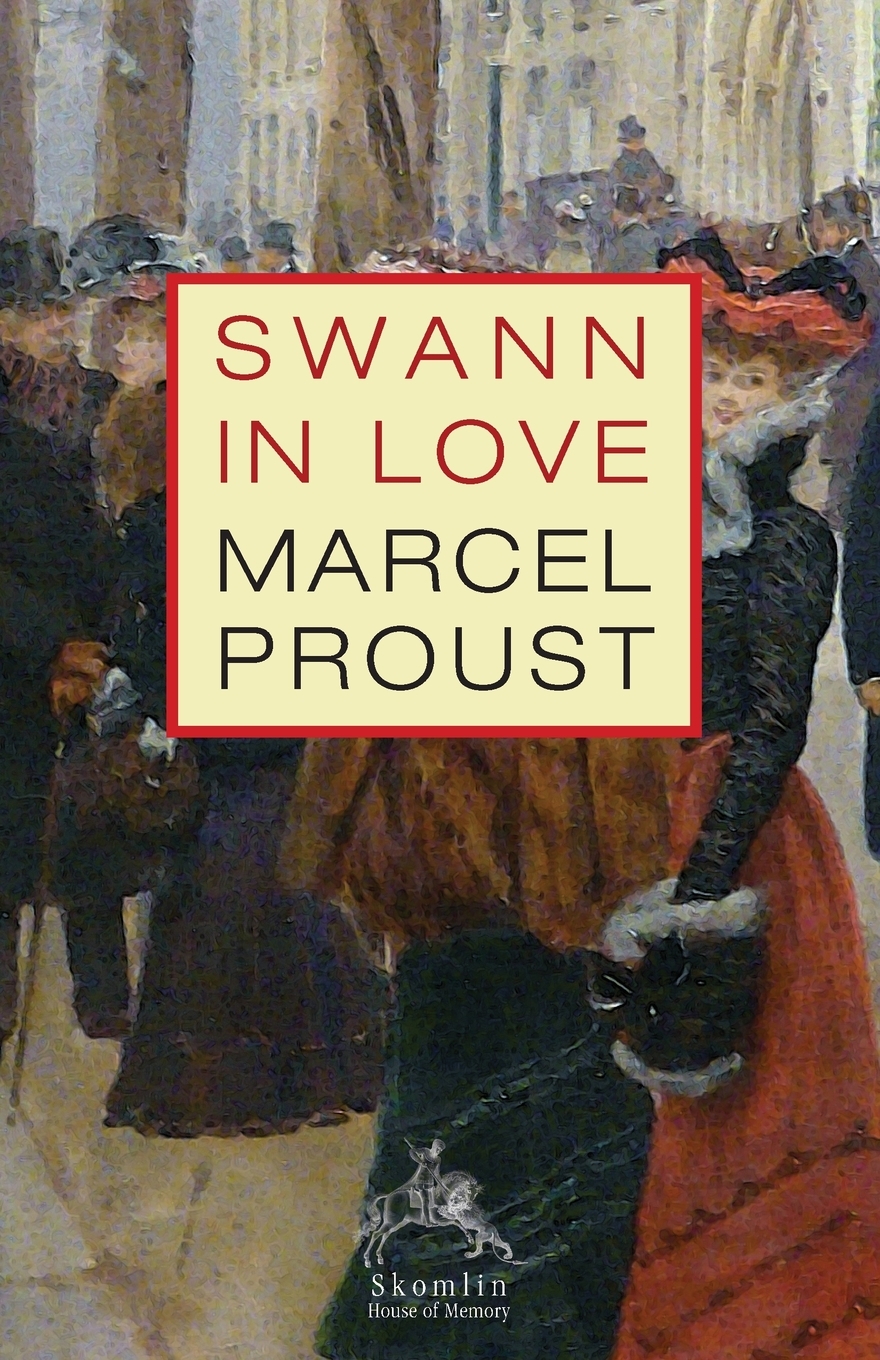
Swann in Love is a study of sexual jealousy that forms a fully self-contained crucial component part of the vast unfolding structure of Proust's masterpiece In Search of Lost Time. Swann owner of large estate and at ease in Parisian high society falls obsessively and publicly in love with the courtesan Odette.
A decidedly Russian adaptation of Shakespeare's tragedy King Lear set in the countryside. It concerns the disrespectful treatment the protagonist Kharlov receives from his ungrateful daughters and the revenge he wreaks upon them.
Turgenev's iconic tale of love and mortality set in 19th century Tsarist Russia is a skillfully written sad story of heartache and unrequited love. It is also is one of literature's finest portraits of alienation loss and hopelessness.
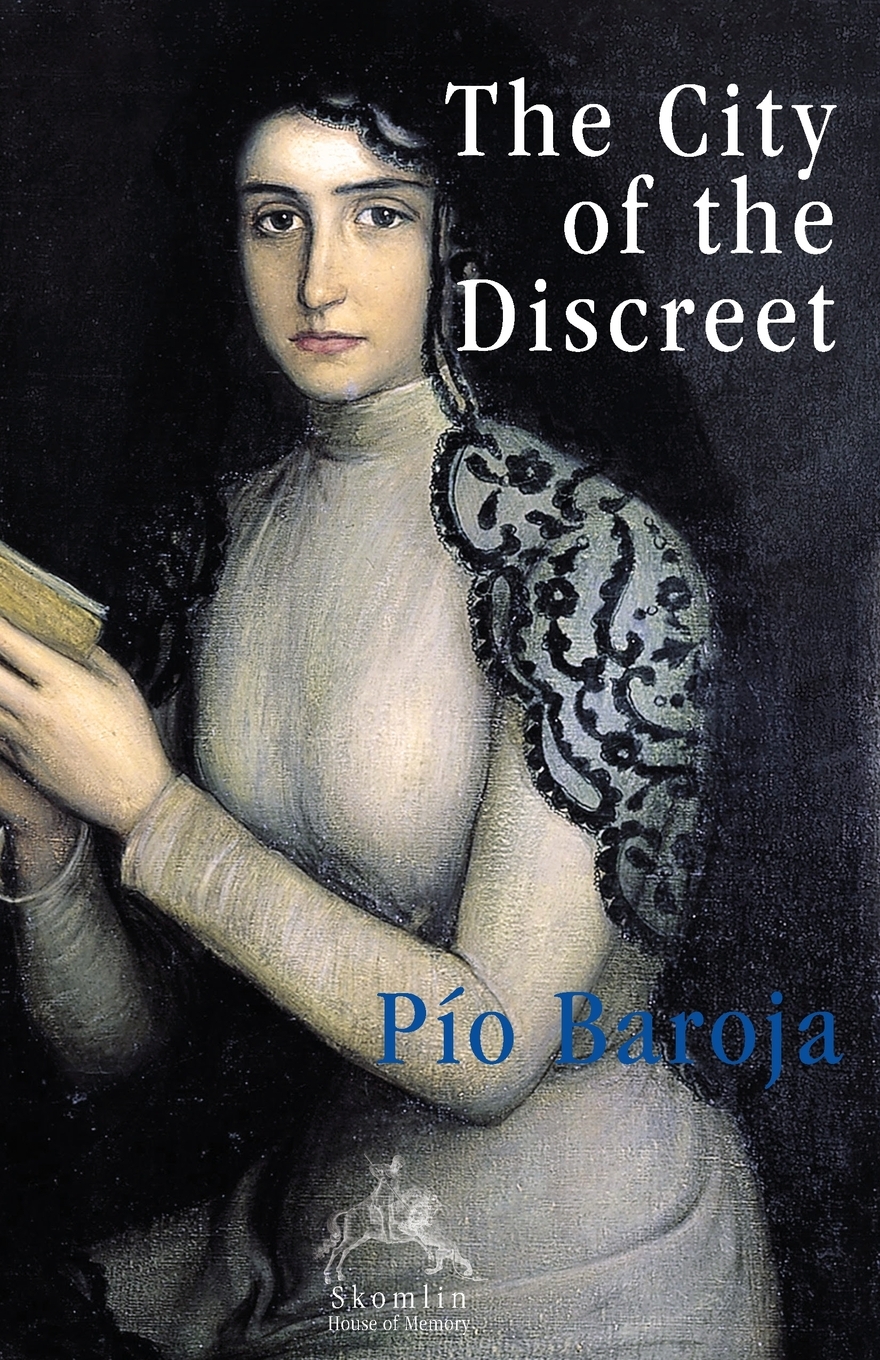
The City of the Discreet is set in the traditional Andalusia of the 19th century. This gentle parody with its vast gallery of characters demonstrates Baroja's powers of description and his subtle humour. The description of his Cordova and its environs are an invaluable guide to a recent but now lost city.
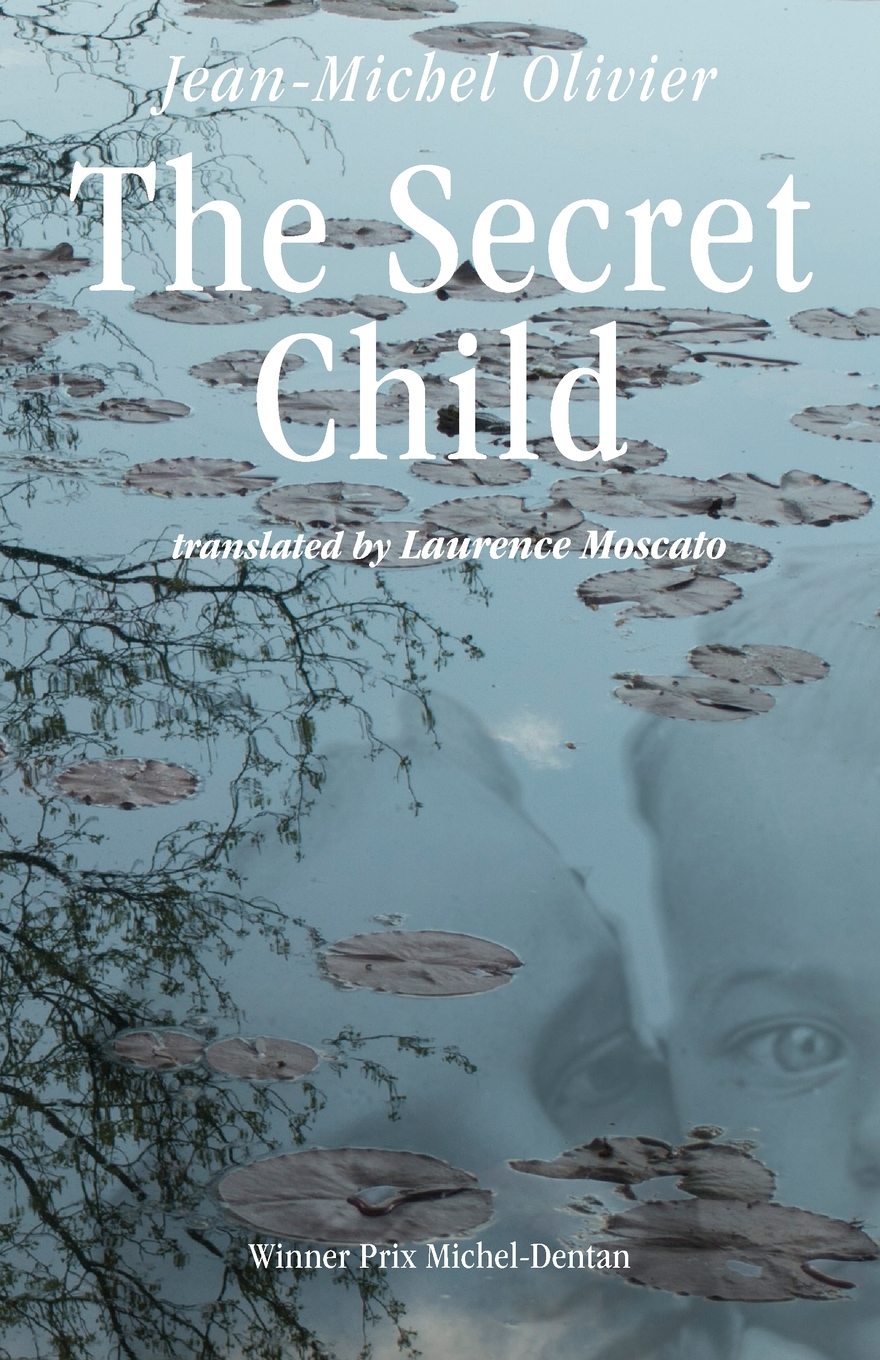
Winner of the Swiss Prix Dentan, Jean-Michel Olivier's novel is a haunting excavation of the secrets we inherit in our DNA - the hidden deeds of ancestors we glimpse only through a distant cousin's confession or a box of old photographs. Set in Trieste as the city passes from Austrian to Italian hands after the First World War, it moves among cameo appearances by James and Nora Joyce, Ezra Pound and Vladimir Nabokov.
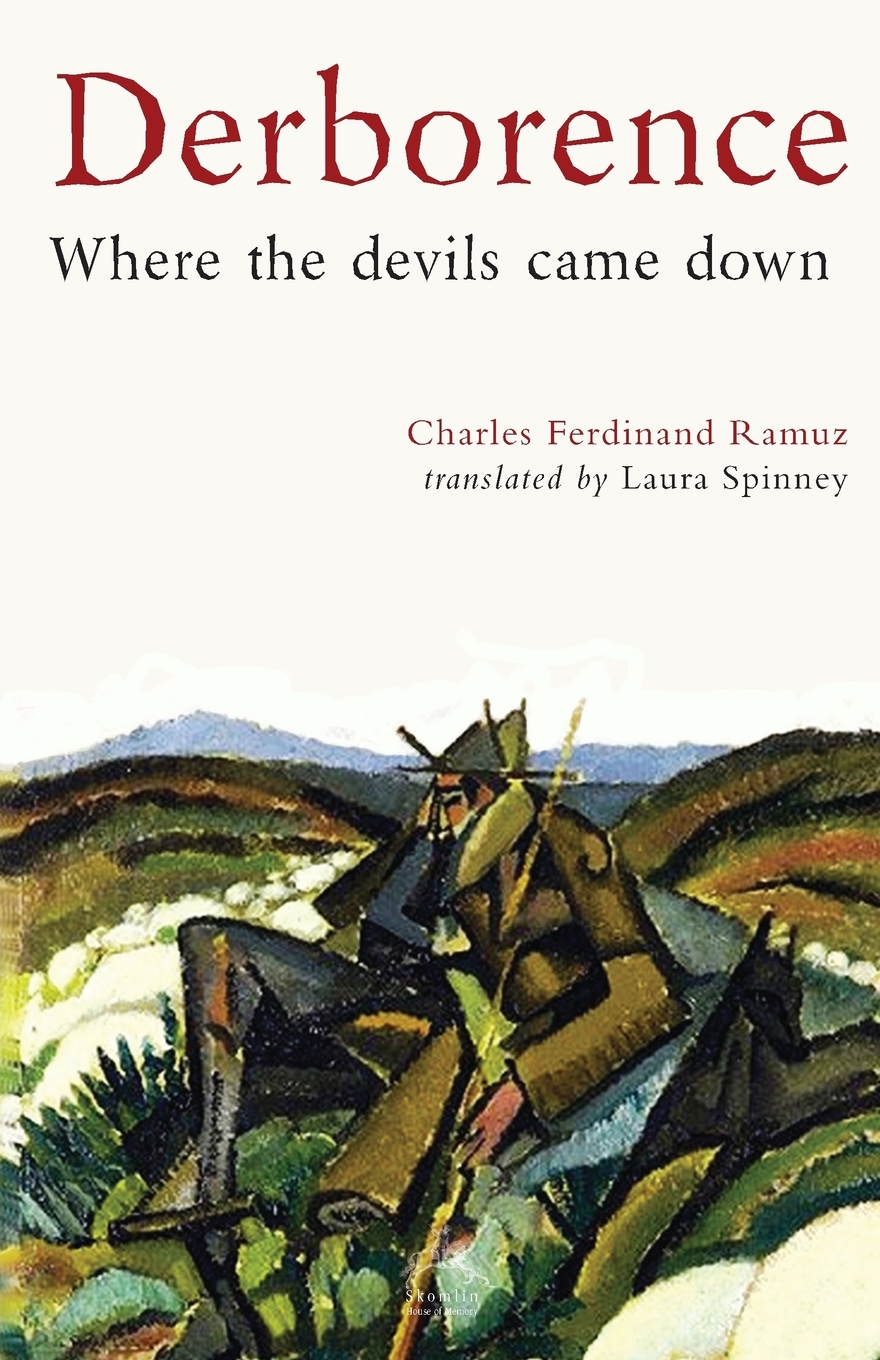
A mountain falls down and an alpine village is frozen in its summer state. When a ghostly figure appears the villagers are terrorised. Is it a soul trapped in limbo come to make his baleful complaint? Swiss writer Charles-Ferdinand Ramuz sets his masterful tale of love and loss against the tectonic indifference of the high Alps.
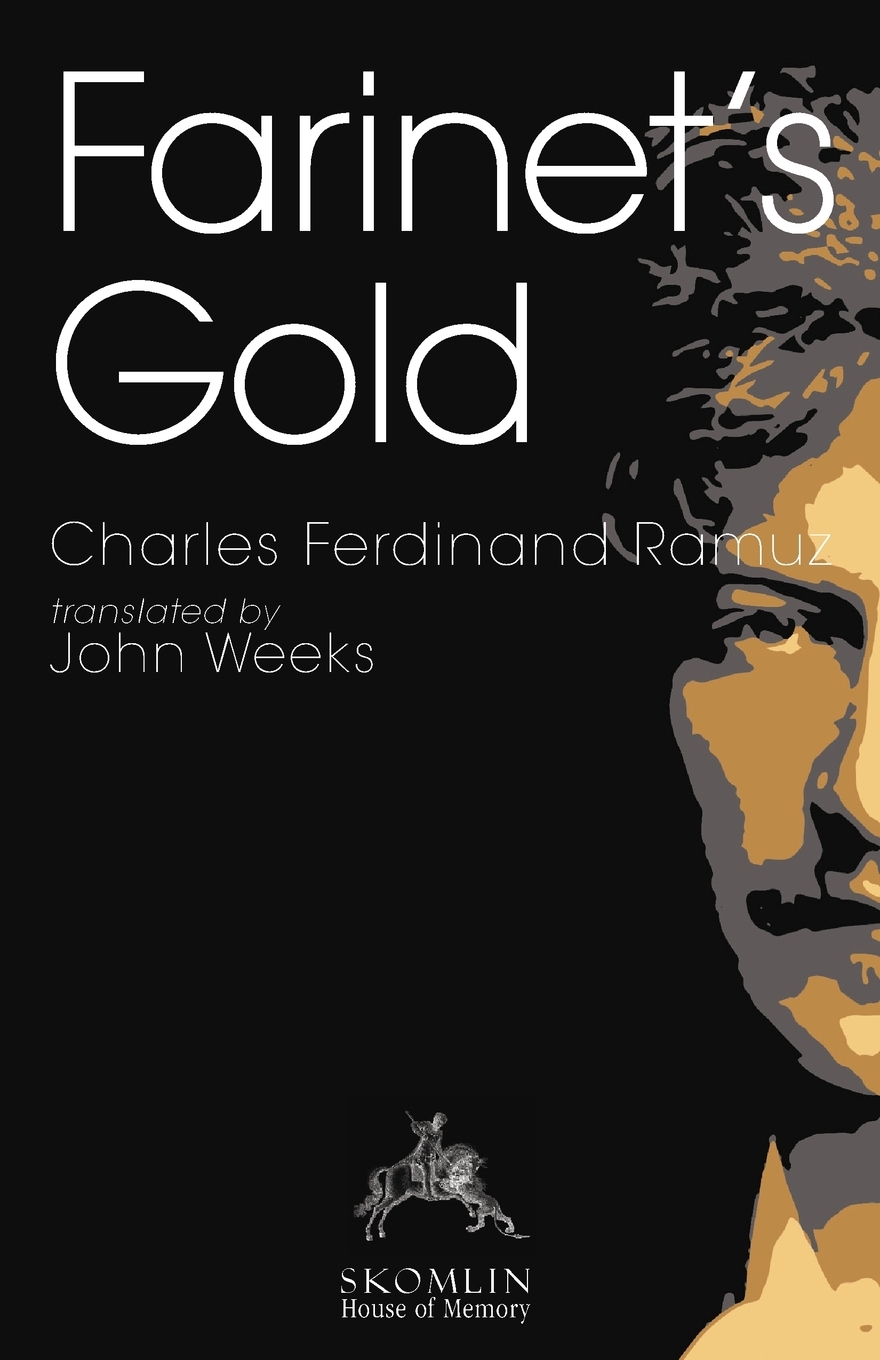
The old man Sage taught Maurice Farinet many things and one of them was the location of a secret vein of gold. After Sage died Farinet began to make coins. Based on a true story Ramuz tells an extraordinary tale of mountains and villages of independence and the price of freedom.
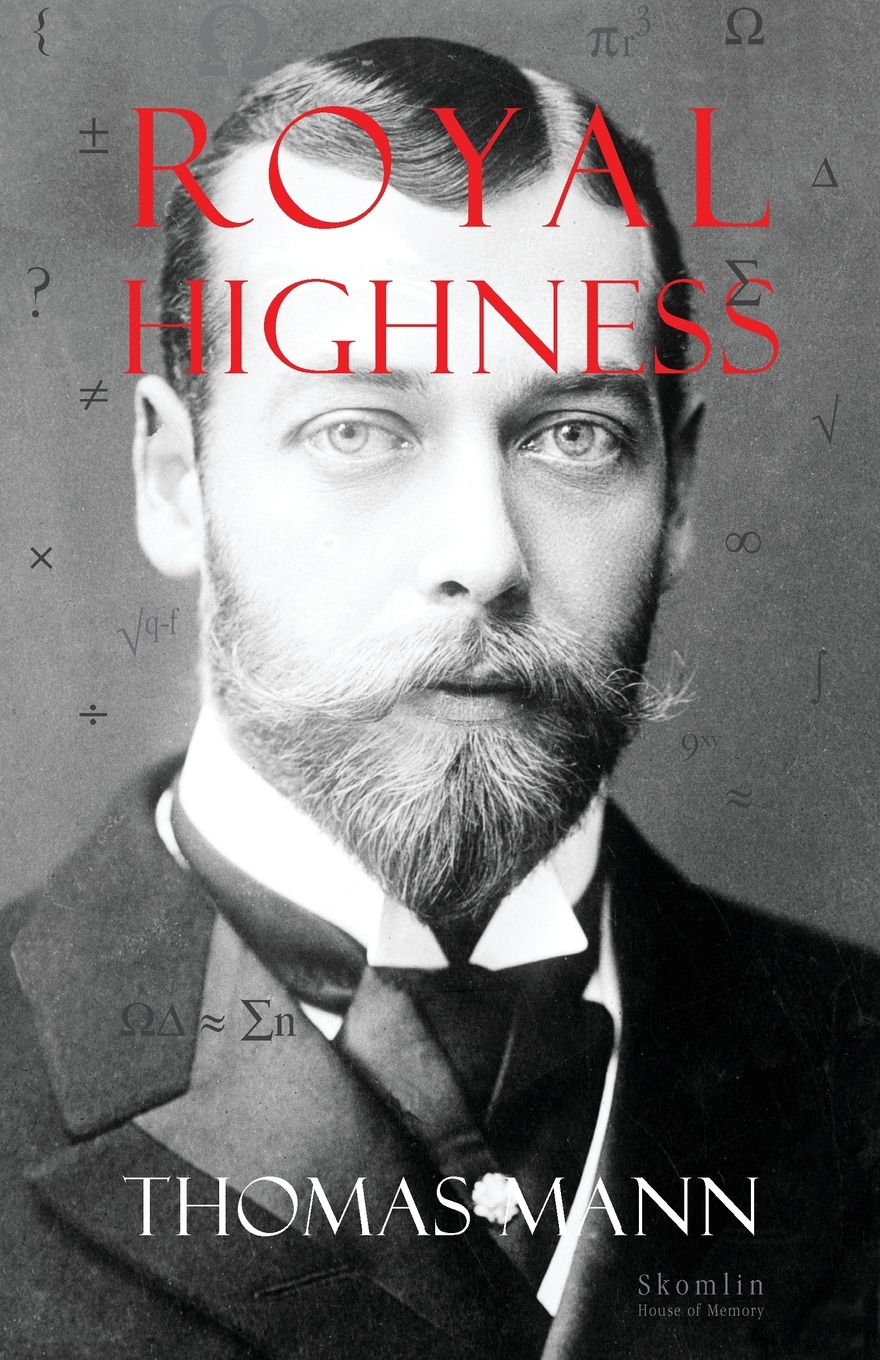
The ironic satire of a decaying German duchy and its rejuvenation by the appearance of an independent-minded American woman. Peopled with a range of characters from aristocrat to mad woman this novel is a microcosm of Europe before the Great War.
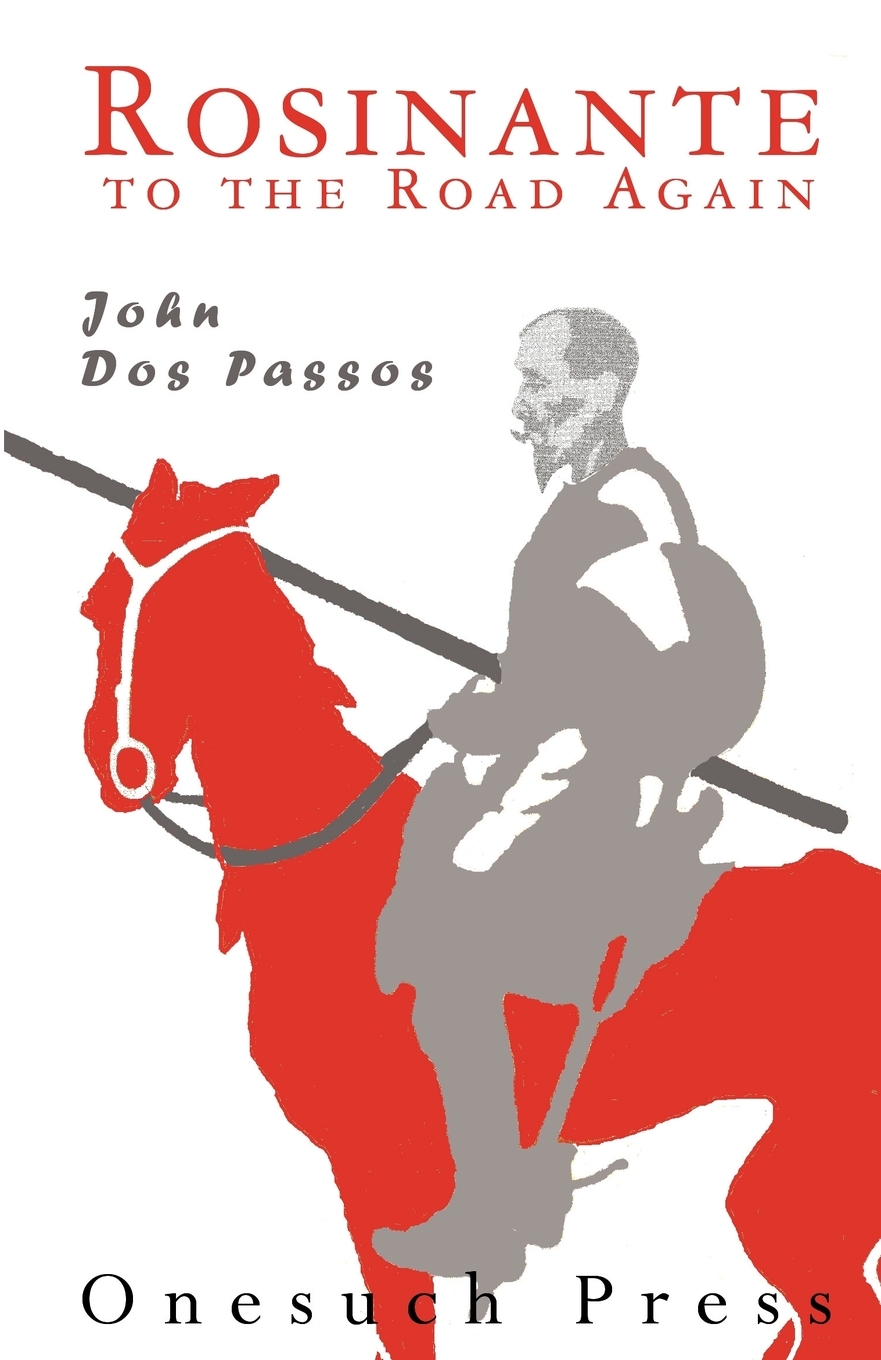
The title alludes to Don Quixote's horse. Dos Passos spins a tale of two travellers making their way by foot from Madrid to Toledo in post-World War I Spain. Dos Passos interweaves the story with chapters about the finest Hispanic poets and novelists of the day. One of his earliest books and a most poetic use of language.
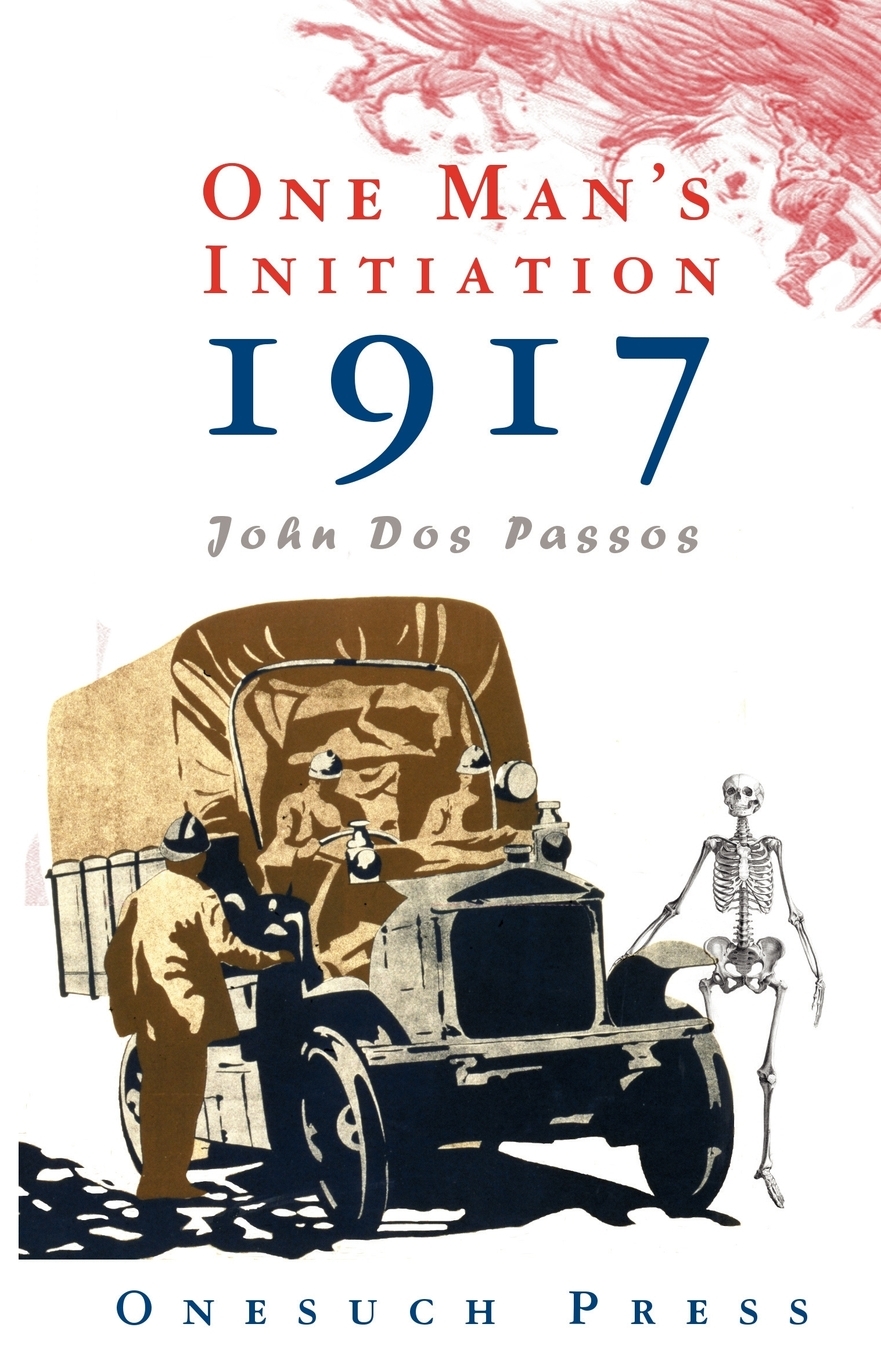
Drawing on the diaries he kept as a volunteer ambulance driver on the Western Front, Dos Passos's first novel sets the squalor and broken bodies of 1917 against sudden, piercing glimpses of beauty.
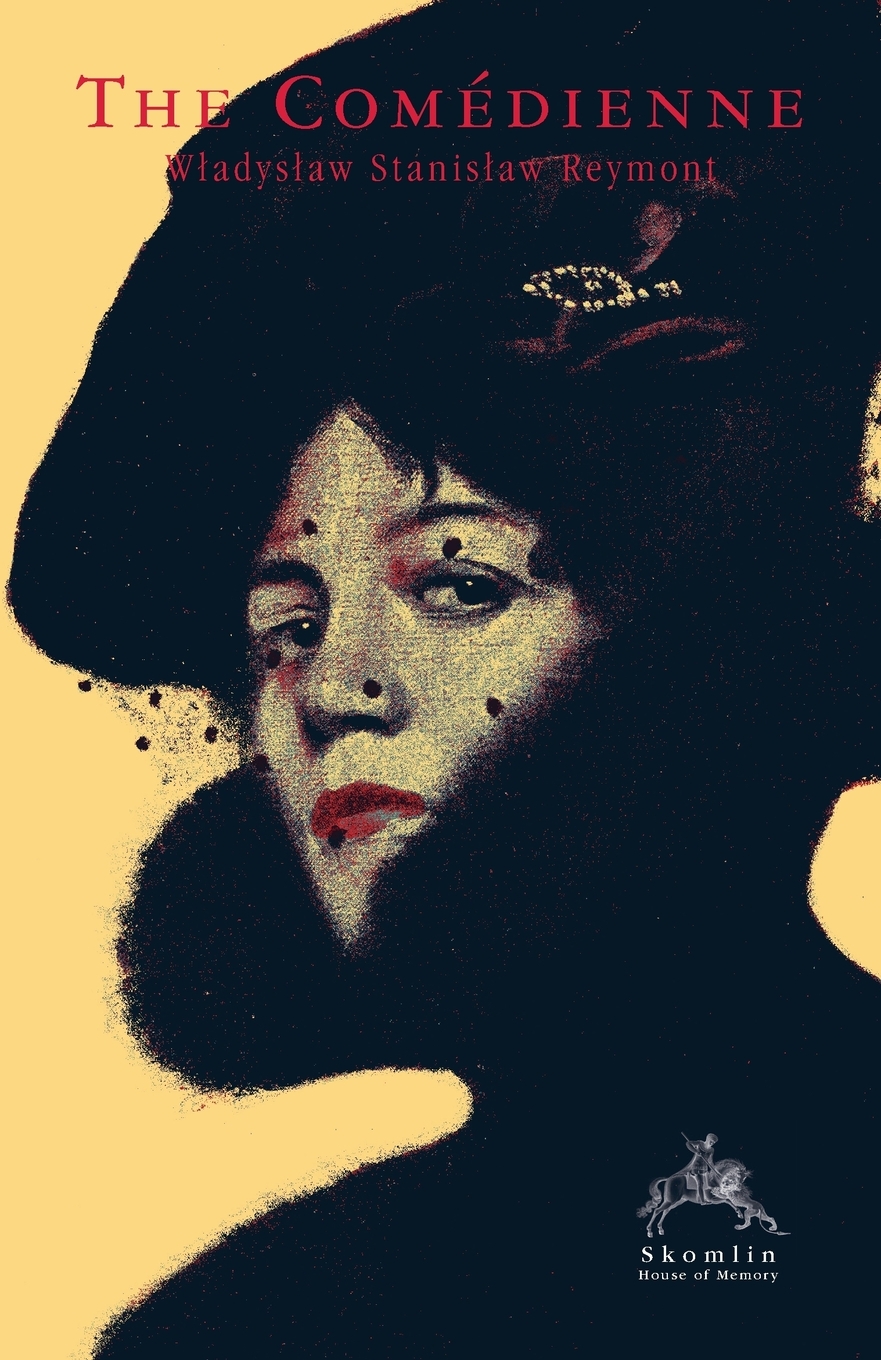
Reymont describes in a slow burning tragedy a young provincial Janina the comédienne of the title who joins a Warsaw theatre company and contends with what was then a very modern notion of personal freedom.
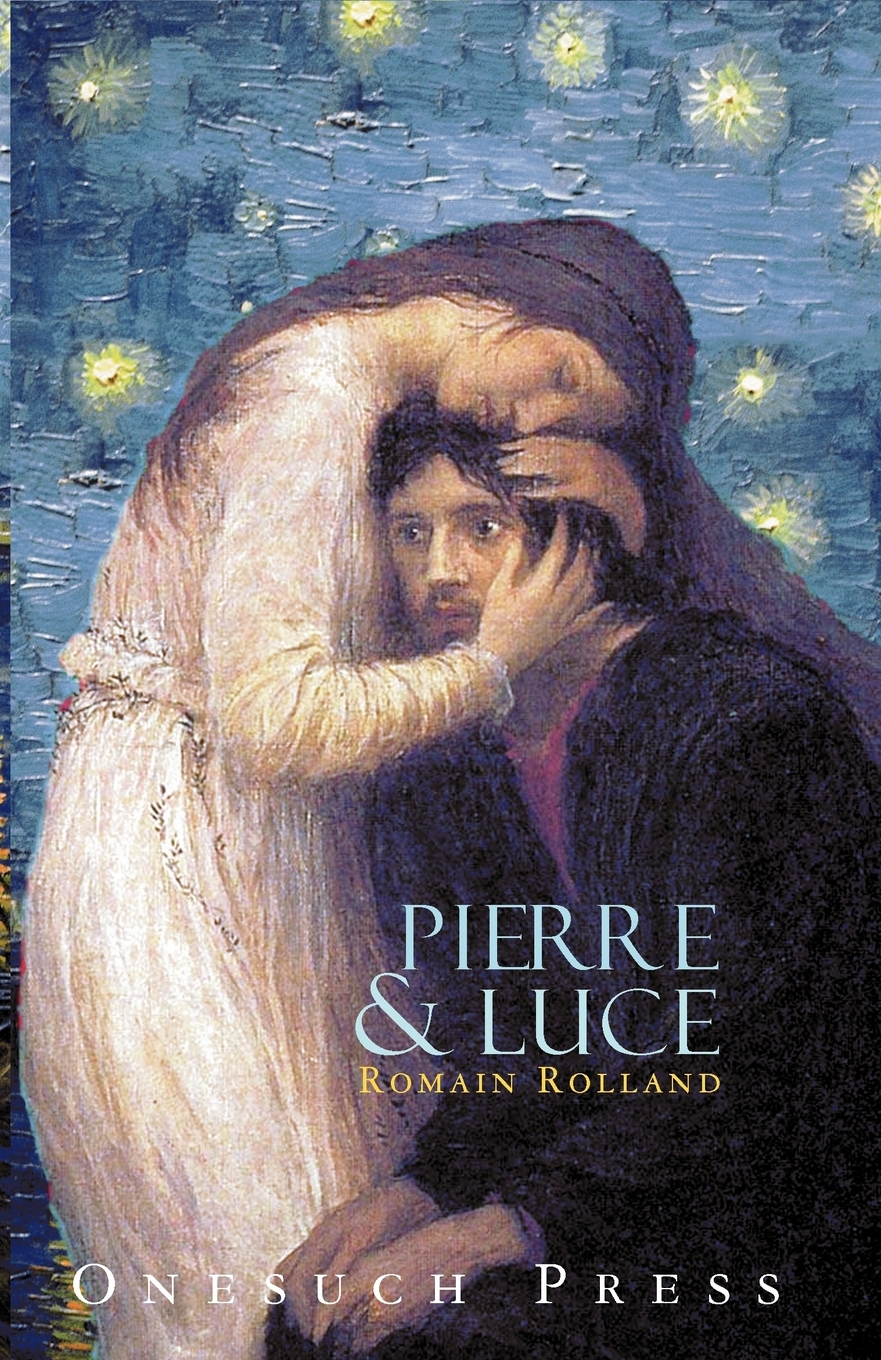
In wartime Paris, two young strangers fall tenderly in love beneath the falling bombs. Written at the close of the First World War by the Nobel laureate and pacifist Romain Rolland, it is a brief, achingly sad indictment of war.
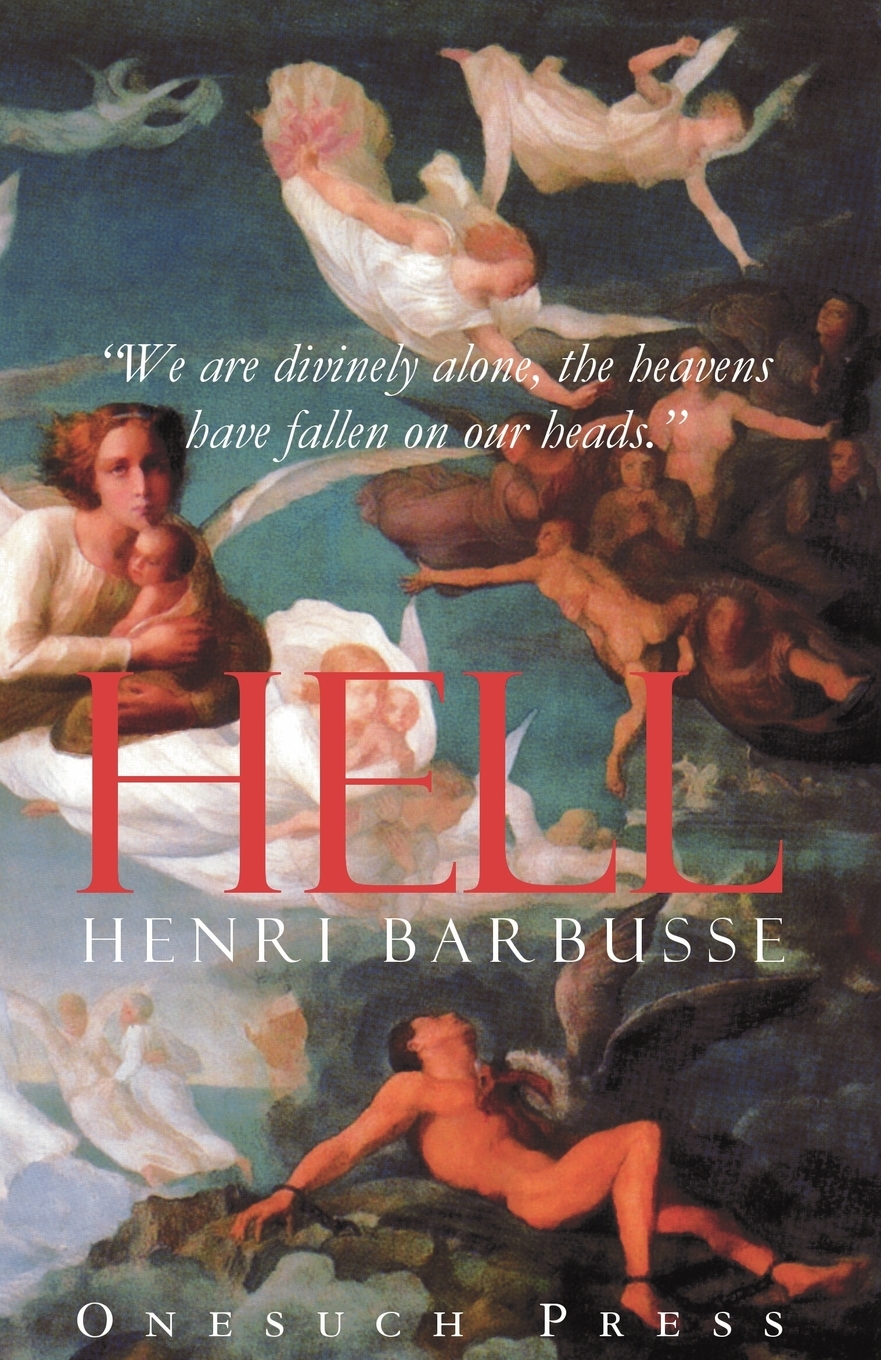
From a Paris boarding-house room, a young man watches the lives next door through a hole in the wall - love, marriage, adultery, death. Barbusse's scandalous 1908 novel asks what becomes of the man who sees too much.