Charles Ferdinand Ramuz
Skomlin publishes six of Ramuz's novels in English, more than any other press in the language. The list runs from The Reign of the Evil One, the first of his books to reach English readers, in 1922, through Beauty on Earth, What if the sun..., Derborence and Farinet's Gold, and includes his only long prose poem, Riversong of the Rhone, in a bilingual edition.
Charles-Ferdinand Ramuz (1878-1947) was a French-language Swiss novelist and poet, born in Lausanne, in the canton of Vaud. Writing in a distinctive, incantatory prose rooted in the landscape and peasantry of French-speaking Switzerland, he became the central figure of Suisse romande literature; his portrait later appeared on the Swiss 200-franc banknote, and his Histoire du soldat (1918) was written in collaboration with Igor Stravinsky.
Titles at Skomlin
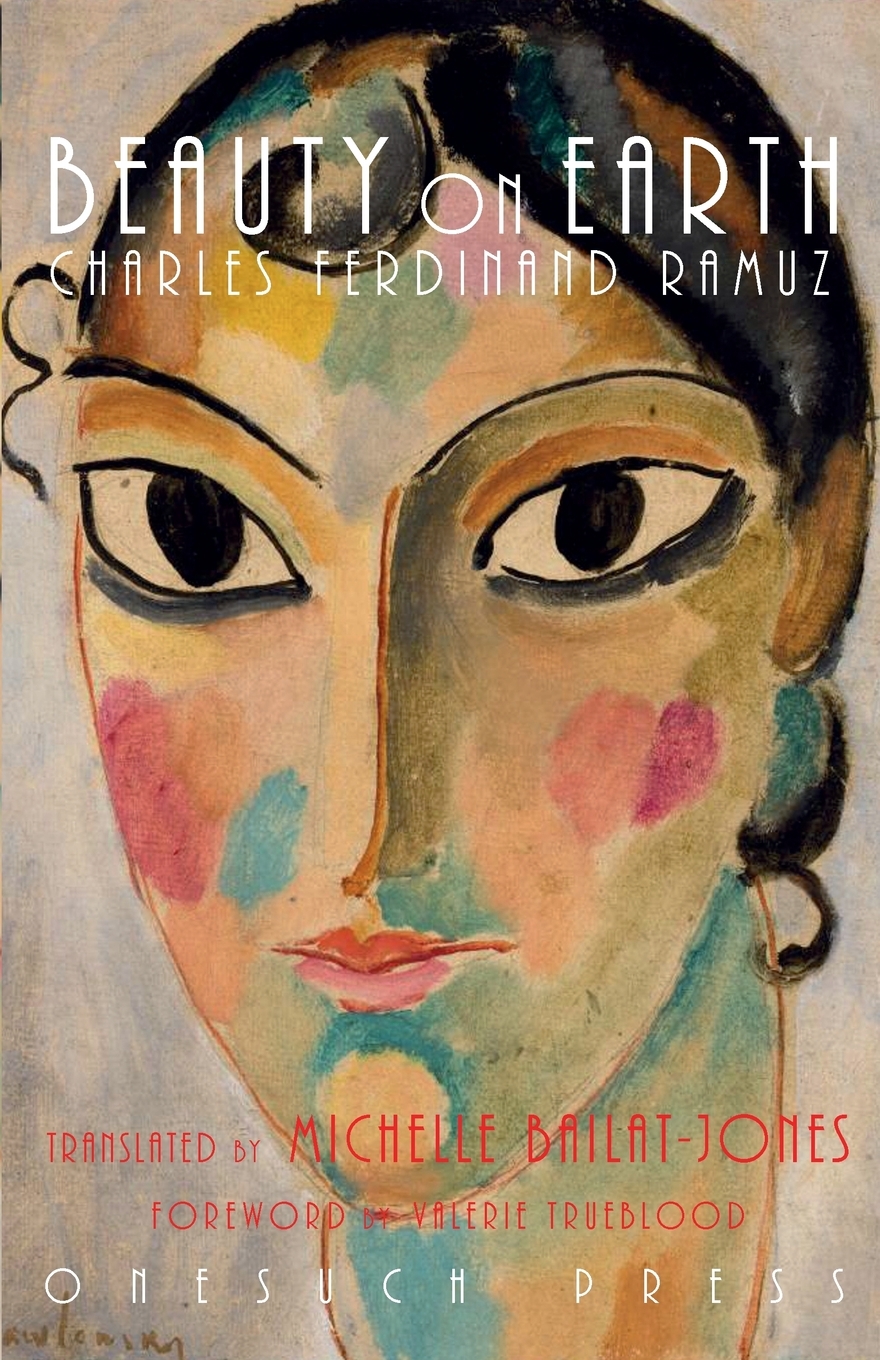
The arrival of a beautiful orphan at her uncle's lakeside inn sends a slow, dreamlike chaos rippling through a Swiss village. In Ramuz's incantatory 1927 novel, beauty itself becomes an almost elemental, disruptive force.
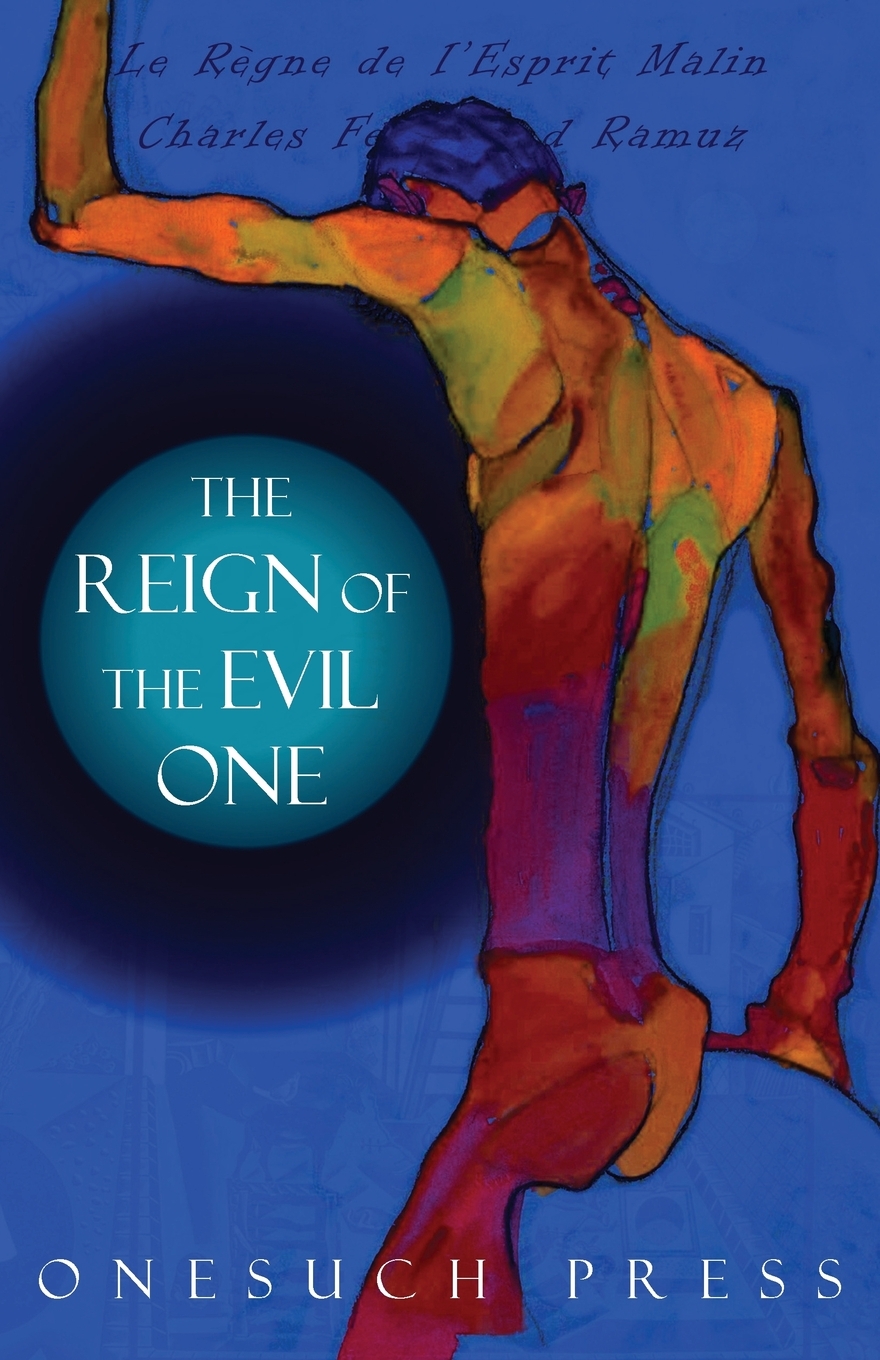
A generous stranger settles in a quiet mountain village, and all who deal with him prosper - all but the one fool who sees him clearly. Ramuz turns a simple fable into an apocalyptic fantasia of good, evil and rural dread.
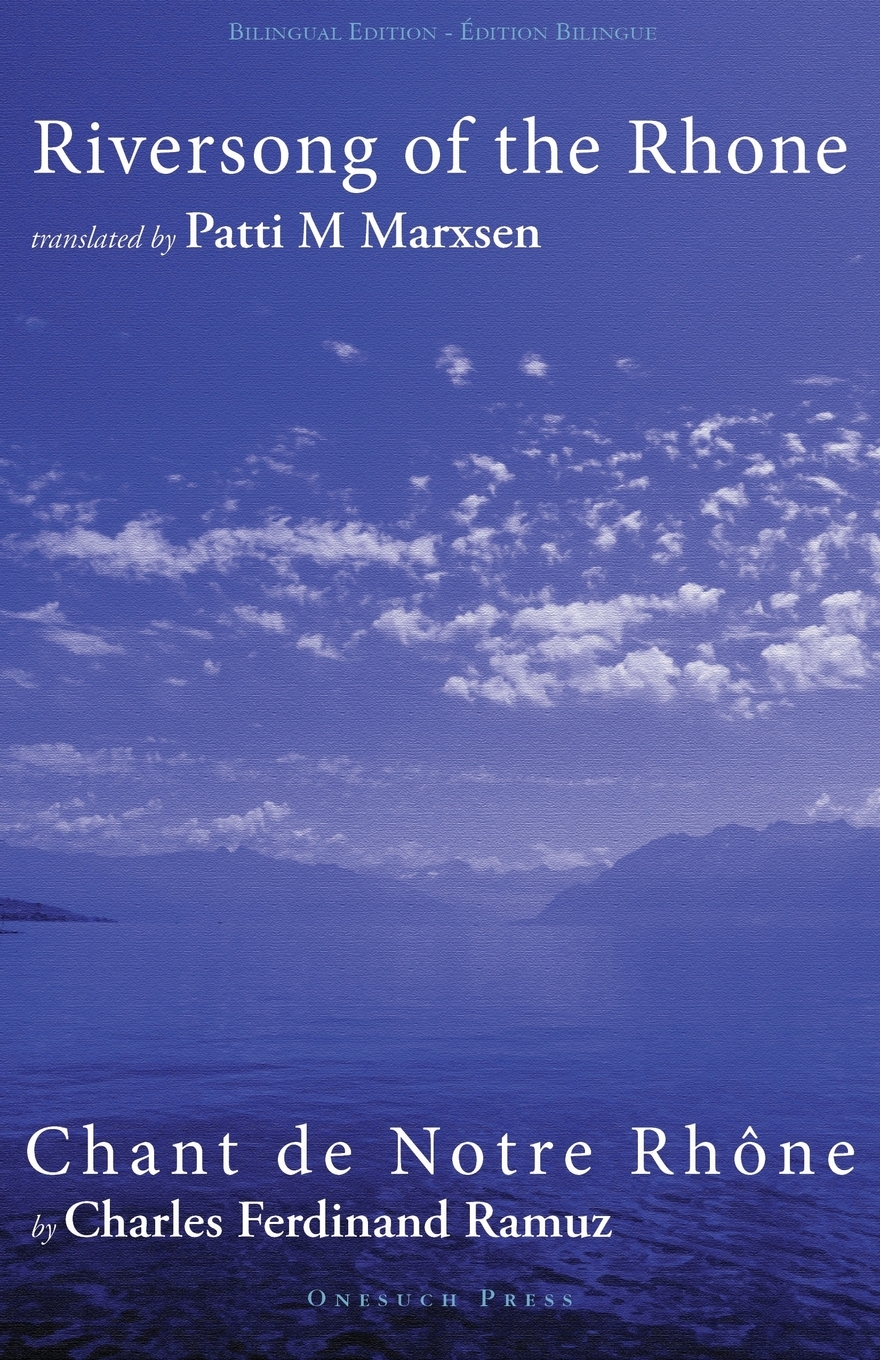
"One sings here of the soul of a river, and this soul never dies." Ramuz follows the Rhone from the Alps to the sea in a lyrical hymn to the river and the people who live along its banks.
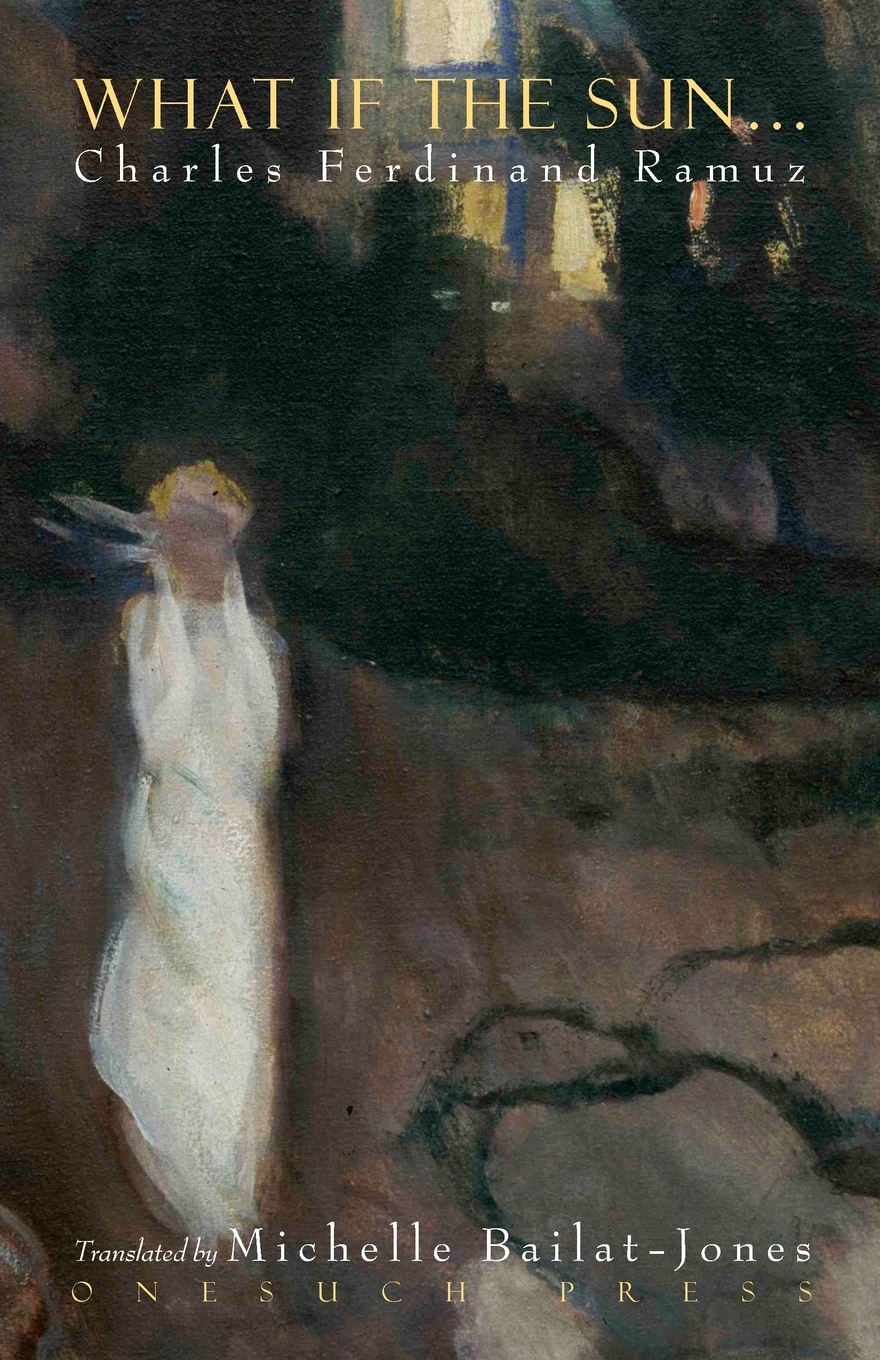
What would the end of the world look like to people whose lives turn on the certainty of the seasons? When the sun fails to rise over their alpine valley, the villagers of Upper Saint-Martin must live out their final days knowing the worst.
A mountain falls down and an alpine village is frozen in its summer state. When a ghostly figure appears the villagers are terrorised. Is it a soul trapped in limbo come to make his baleful complaint? Swiss writer Charles-Ferdinand Ramuz sets his masterful tale of love and loss against the tectonic indifference of the high Alps.
The old man Sage taught Maurice Farinet many things and one of them was the location of a secret vein of gold. After Sage died Farinet began to make coins. Based on a true story Ramuz tells an extraordinary tale of mountains and villages of independence and the price of freedom.